
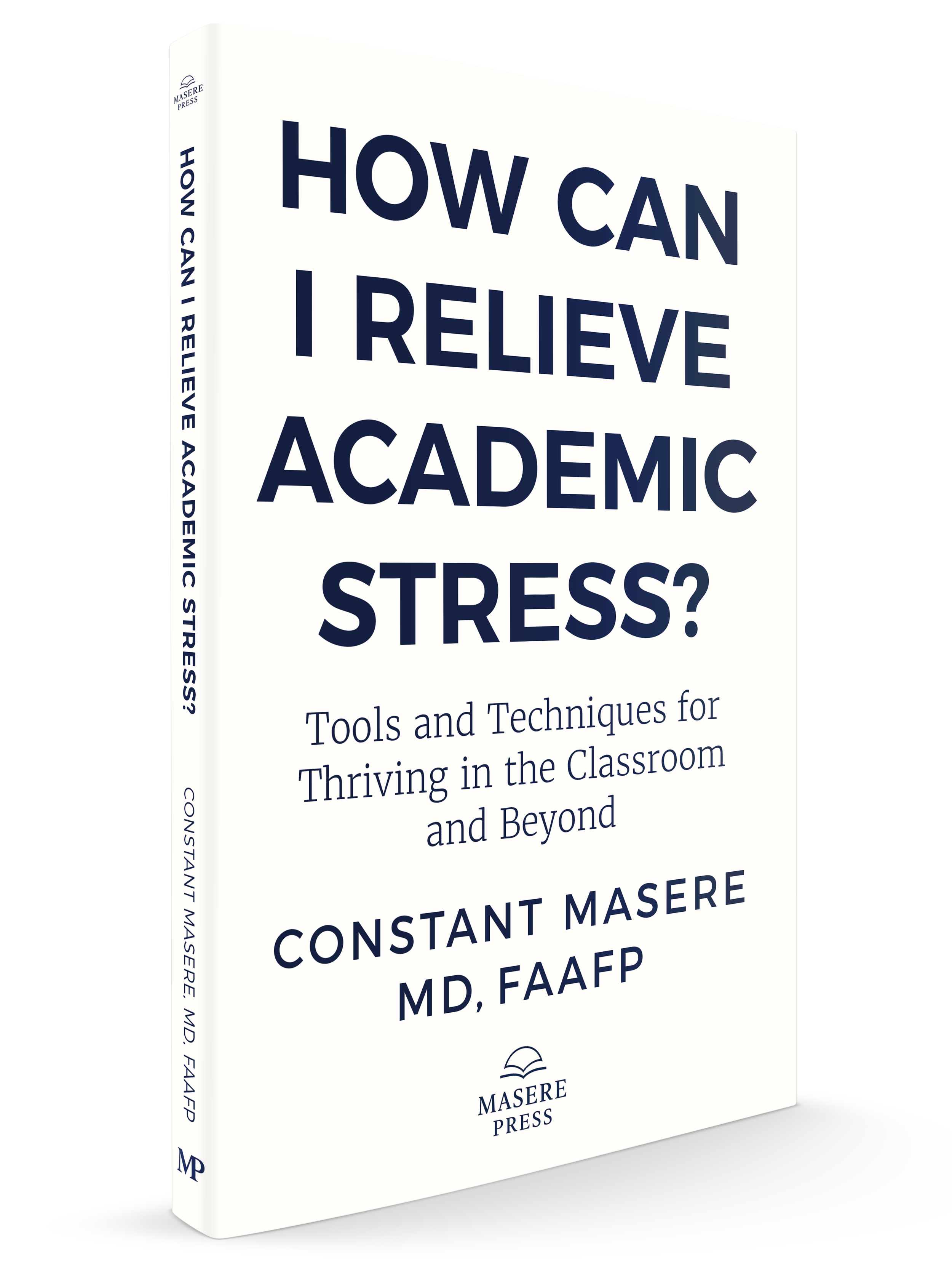
HOW CAN I RELIEVE ACADEMIC STRESS?
Tools and Techniques for Thriving in the Classroom and Beyond
Academic stress influences focus, performance, and emotional stability in ways many students do not fully understand. Although its effects are common, the underlying physiology often goes unexplained.
This book aims to clarify that process. It explains how the stress response functions neurologically and psychologically, and then provides a structured framework for working with stress intentionally — in ways that strengthen both mental clarity and physical well being.
Why This Book Matters
Stress goes beyond simply being a feeling or a mental state; it is also a physiological response involving multiple body systems, including the nervous and endocrine systems. In modest amounts, it tends to increase focus and fuel motivation; however, once it persists at a high level — for example, when the body becomes stuck in a prolonged sympathetic state — it begins to have the opposite effect, interfering with concentration, sleep, mood, and decision-making capabilities. Yet many students are not aware of how their bodies behave under stressful stimuli, let alone how to manage that response effectively. Sustainable stress relief requires understanding how the body responds — and learning how to guide that response consciously.
This book offers that framework. It explains the science clearly and then provides step-by-step methods for applying it in real-time academic settings.
What You Will Learn
How stress affects the mind and body
The difference between productive and chronic distress
How Active Deep Breathing supports autonomic regulation
How Progressive Muscle Relaxation reduces physical tension
How daily routines strengthen resilience over time
How to build a personalized stress-management plan
Inside the Book
Part I — Understanding Stress Physiology
Explaining how stress functions neurologically and physiologically.
Part II — The Science of Breathing
Learning how intentional breathing influences nervous system regulation.
Part III — Progressive Muscle Relaxation
Applying structured physical relaxation techniques for focus and calmness.
Part IV — Creating Sustainable Habits
Integrating resilience practices into academic and daily life.
Read an Excerpt
Serving as a Campus Health physician has been both humbling and deeply gratifying. Over the years, I have sat with countless students from many different backgrounds during some of the most formative, and often most vulnerable, moments of their academic journey. Our conversations often begin with familiar challenges, such as, heavy course loads, looming exams, and the pressure of high expectations.
Although each student’s story is different, a common pattern often emerges. For many, stress isn't just a passing phase; it’s a lingering presence that proves far more difficult to manage than they ever imagined.
That realization lies at the heart of this book. Therefore, I’m not here to promise that we can eradicate stress, since the latter is an inevitable part of who we are as a whole. Instead, I want to offer you a structured approach to work with it, rather than constantly fighting against it.
Let’s get started.
Who This Book Is For
High School Students
Build foundational stress-management skills before academic demands intensify.
College Students
Manage coursework pressure, performance expectations, and major life transitions.
Parents and Educators
Understand how stress affects learning and how to support students constructively.
Book Details
Format: Paperback
ISBN: 9798218942120
Edition: First Edition, 2025
Publisher: Masere Press
Start Relieving Your Academic Stress Today
Understanding stress is the first step. Learning how to regulate it changes how you experience it.